
AMERICA’S
COMMERCIAL
REAL ESTATE SHOW


Your source for expert insights on commercial real estate. Tune in each week as industry leaders, economists, and market experts break down the latest trends, forecasts, and strategies to help you stay ahead.
Listen on Apple Podcasts, Spotify, YouTube or wherever you get your podcasts.


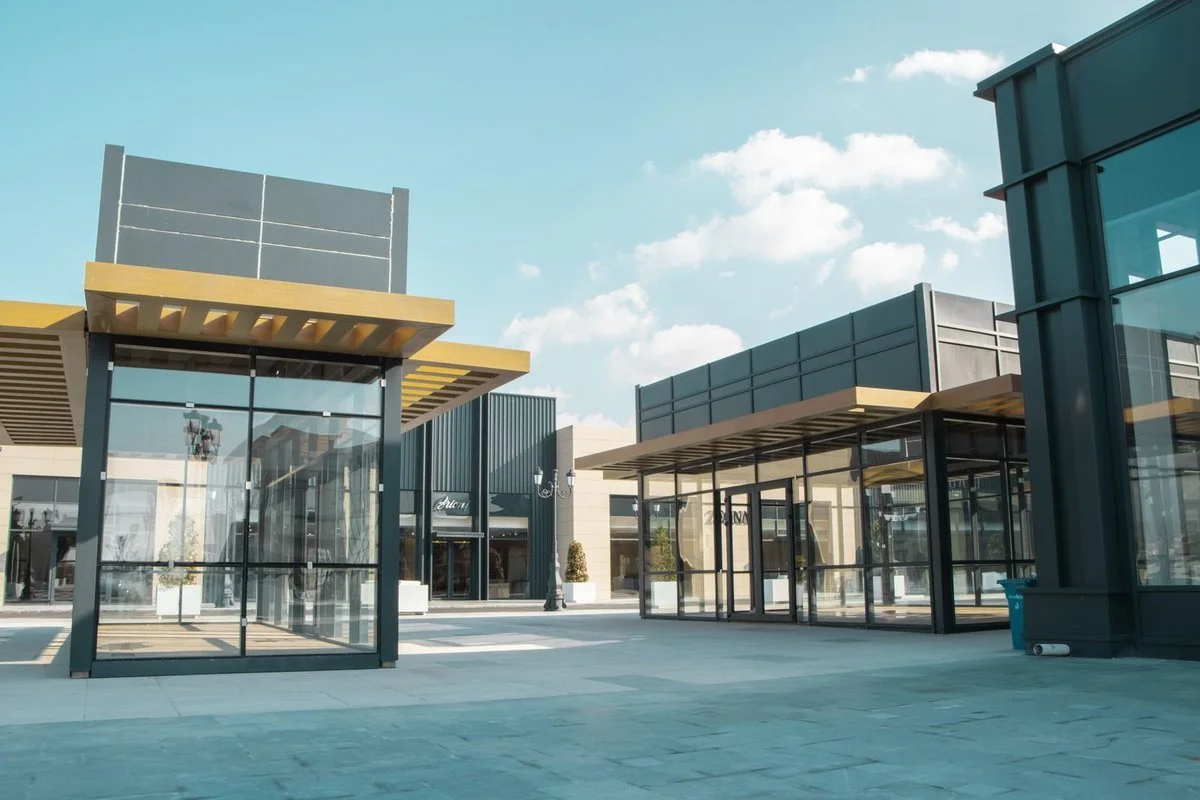
Retail’s Supply Squeeze: A Resilient Consumer Meets a Shortage of Well-Positioned Space
ICSC CEO Tom McGee on the retail real estate outlook: a 4.3% to 4.9% holiday sales forecast, high occupancy, and why well-positioned retail space is scarce.

What Global Investors See in US Commercial Real Estate
Foreign investment outlook: AFIRE CEO Gunnar Branson explains why global capital is turning to energy and infrastructure, and why office now ranks #3.

The Rising Tide Is Not Lifting All Boats: Finding Opportunity in the Commercial Real Estate Recovery
CRE recovery outlook: Rich Hill of Principal Asset Management explains why NOI growth, selectivity, and below replacement cost pricing define the next cycle.

The Resilient Retail Shopper: Strong Sales, Sour Sentiment, and What It Means for Retail Real Estate
Retail sales are up 5.3% in 2026 despite record-low consumer sentiment. NRF Chief Economist Mark Mathews explains what that means for retail real estate owners.

Power, Not Square Feet: What the Data Center Boom Really Means for Commercial Real Estate
Data center demand is booming, but the buildings are going obsolete faster than they can fill up. Michael Bull, CCIM digs into the numbers with Ermengarde Jabir, PhD, Director of Economic Research at Moody's Analytics.

Senior Housing at an Inflection Point: Record Demand, Historic Low Supply, and Where the Opportunity Sits
Senior housing is posting record absorption while new construction sits at Great Financial Crisis lows, and that gap is reshaping pricing across the sector. This week, Michael Bull, CCIM talks with Arick Morton, Chief Executive Officer of NIC MAP, about what the numbers actually show. Median occupancy is back near 93%, more than 30 of the top 100 metros are running a 95% median, and stabilized Class A and B communities in good markets are trading in the 6 handles with 5 handles in some cases. Arick also lays out the demand math: with the 80 plus population growing roughly 35% by 2030, the industry needs to deliver about twice as many units as it has ever built, every year, for the next 20 years. Watch or listen at CREshow.com.

Slow, Steady, and Turning Up: What CREDA's 2026 Data Says About Industrial, Office, and Power
Industrial demand rebounds in 2026 as NAIOP becomes CREDA. Marc Selvitelli on the industrial forecast, sentiment survey, data centers, and the power constraint.

The Value-Add Math Is Breaking: What Negative Class B Absorption Means for Apartment Owners
Houston delivered roughly 6,400 apartment units in Q1. Class A absorbed 3,200. Class C absorbed 500. Class B absorbed negative 750. Victor Menasce of Y Street Capital joined the show to explain why the value-add Class B thesis will be challenged over the next couple of years.

Still Early Innings: Why the Commercial Real Estate Cycle Has More Runway Than the Calendar Suggests
For most of Michael Bull's career, commercial real estate ran on a predictable ten-year clock. That clock stopped working around 2020. On America's Commercial Real Estate Show, BGO Chief Economist Ryan Severino, CFA explains why we are still early in this cycle despite being six years past the pandemic recession, and why a thinned-out construction pipeline has quietly rewritten the rules. From the rate outlook to the contrarian case for office, here is where owners, investors, and lenders actually stand heading into 2026.

The Return of Rent Growth: Why the Multifamily Recovery Is Splitting by Class and Submarket
National apartment rents grew roughly 1.5% over the past 90 days, the fastest pace since late 2022. After the largest supply wave most of us have seen, that turn matters. But the national average is now the least useful number in the sector. Carl Whitaker of RealPage explains why your class and your submarket decide the outcome from here.

Office Market Outlook 2026: Vacancy, Rents, and Investment
US office vacancy sits at 13.8%, down from a 14.1% peak, with four straight quarters of positive absorption. CoStar's Phil Mobley explains why the national number has stopped being a useful decision input. Supply is contracting for the first time on record, the occupancy collapse hit A-minus and B-plus product rather than Class B, and a landlord without capital to fund tenant improvements does not really have leasable space no matter what the listing sites show. A smaller office market, but a healthier one.

Economic Outlook: Balancing Capital Structure Adjustments, Inflation Headwinds, and Modern Operational Plays
Michael Bull, CCIM sits down with First American economist Xander Snyder for a midyear 2026 look at the forces shaping commercial real estate — from real wage declines and sticky wholesale inflation to a yield curve exiting its historic inversion. They break down why suburban office is seeing a 40–50% surge in sales volume, how multifamily loan maturities are creating openings for well-capitalized buyers, and why retail's fifteen-year supply drought keeps setting a floor under values. Plus, a temporary 10–15% drop in property insurance premiums offers operators a rare window to lock in NOI savings before the reinsurance cycle turns.

CRE 2026 Insights: Evaluating REIT Performance, Sector Dynamics, and Structural Advantages
The REIT sector now manages about $4.5 trillion in U.S. assets, and roughly 170 million Americans live in households invested in these structures. So when I sat down with Edward Pierzak, PhD, Senior VP of Research at Nareit, on America's Commercial Real Estate Show, the goal was simple: figure out where listed real estate actually stands at midyear 2026, headlines aside.
The short version is that REITs have been resilient. They absorbed the 2025 tariff friction and the early-2026 geopolitical volatility without the sustained pullbacks that marked past cycles, and they kept outperforming the broader equity indices as the year went on.
Two valuation gaps are driving the current opportunity. As the tech rally lost steam, capital rotated back into stable, income-producing sectors, closing the public pricing gap. The bigger dislocation is between public REIT stocks and private appraised values, which have sat effectively flat for nearly three years at cap rate levels last seen in late 2021. Those static private marks no longer reflect the actual economics, which opens real arbitrage for sophisticated public managers.
Office is the clearest example of why the broad-brush narrative fails. Office is not dead. It is bifurcated. The newer, amenity-rich, well-located buildings, the kind REITs tend to own, are performing well, and office is the only traditional property type where active managers currently hold a deliberate overweight.
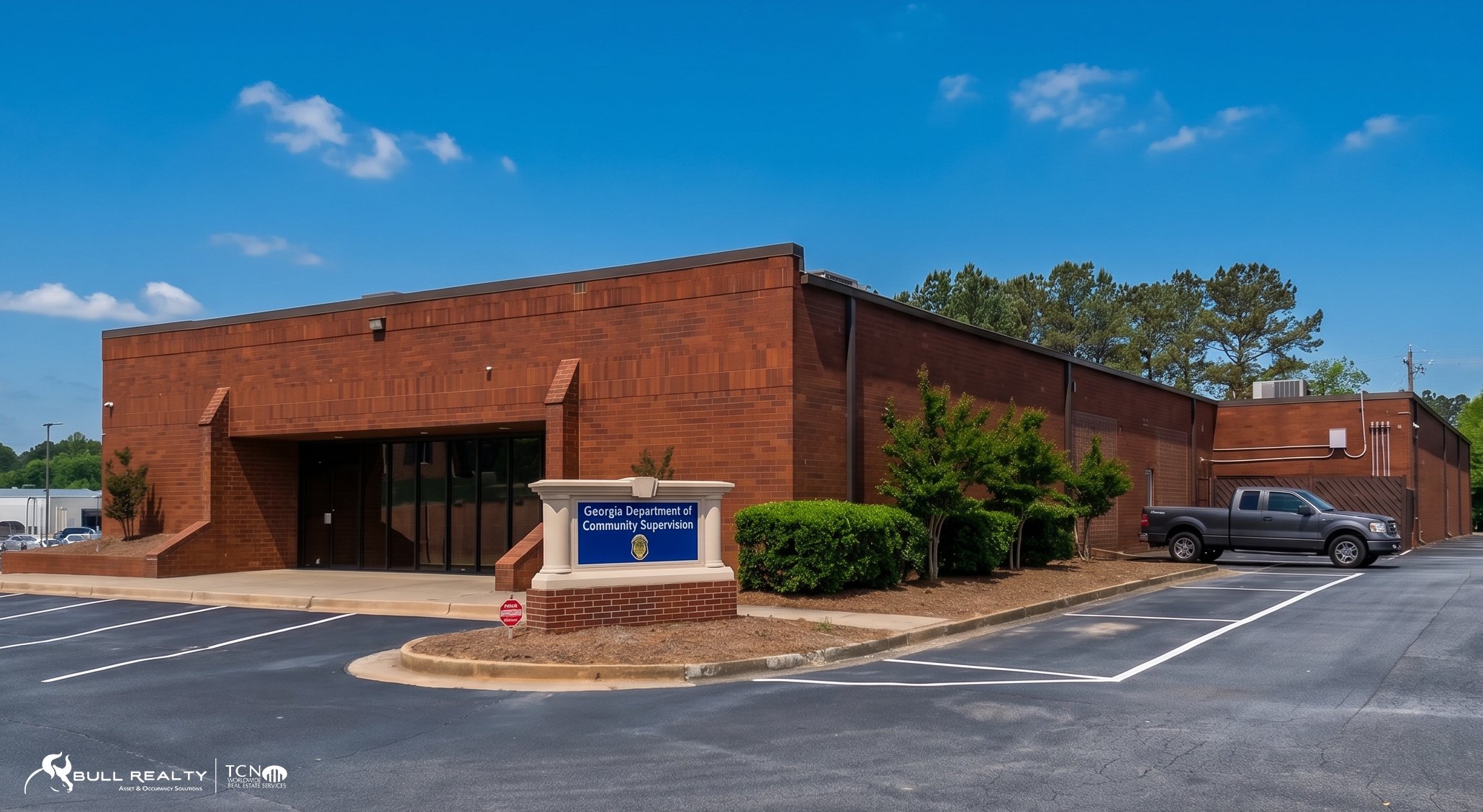
Unlocking Stability in the Office Market: The Resiliency of Government Leased Real Estate
While the office sector has faced negative headlines, government leased buildings continue to perform on their own baseline. Michael Bull, CCIM shares insights from his conversation with Easterly Government Properties CEO Darrell Crate on why these assets stay stable, what DOGE actually meant for lease cancellations, and how state leases compare to federal GSA deals.

The Great CRE Convergence: Navigating the New Playbook for Real Assets
The old playbook of siloed asset classes is fading fast. Michael Bull sits down with PwC's Tim Bodner to unpack why real estate, infrastructure, and technology are converging, what higher for longer rates actually mean for deal discipline, and why AI is set to reshape how the industry operates rather than replace the people running it.
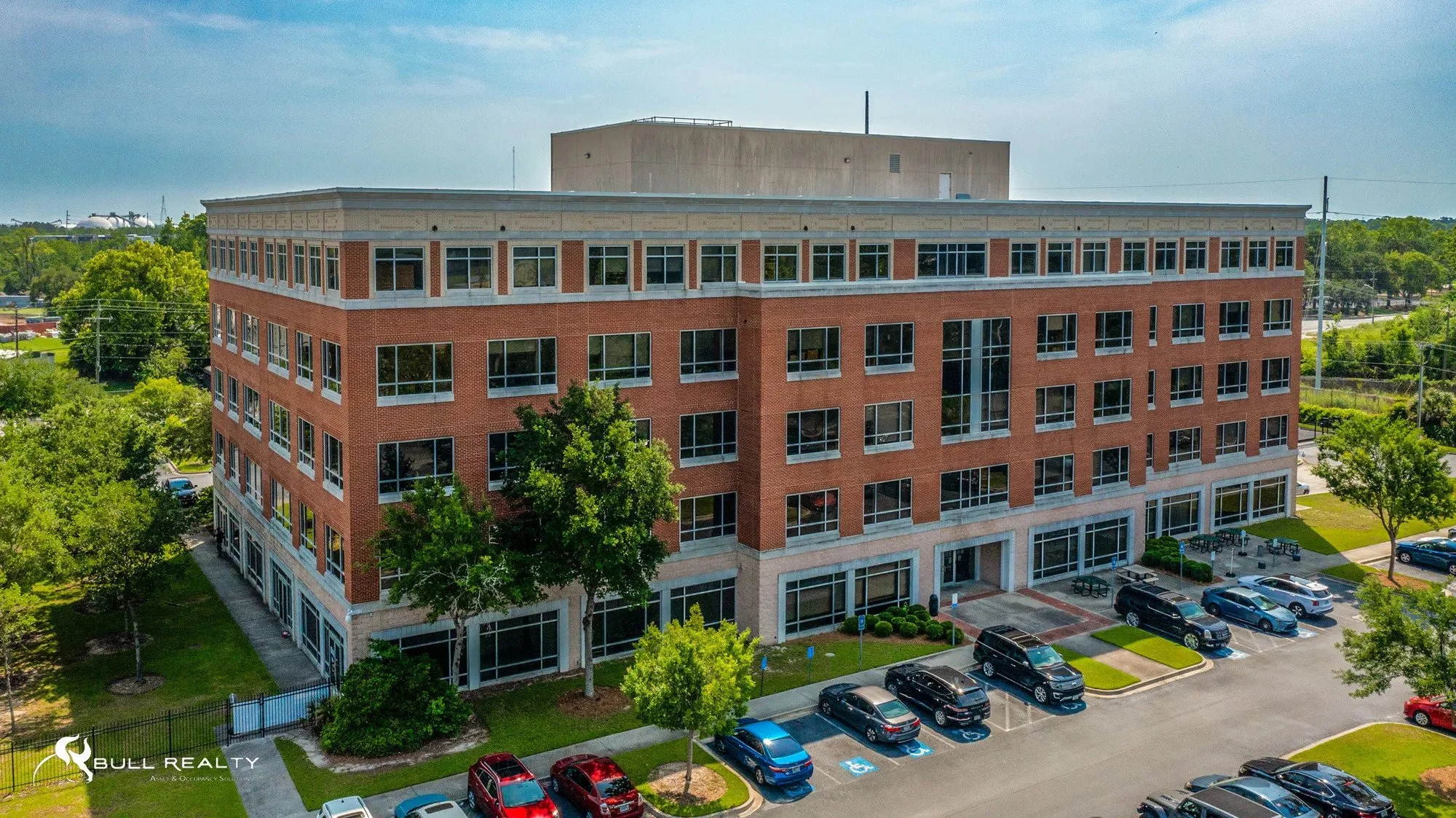
The Office Market Rebound: Building on Terra Firma
The office market has found its footing. Michael Bull, CCIM breaks down what three quarters of positive net absorption means for tenants, investors, and owners.

Client Real Estate Strategies
The commercial real estate headlines don't always tell the full story. For business owners, investors, and their advisors, that gap is where the opportunity lives.
At a recent keynote at the Georgia CPA Conference, Michael Bull, CCIM shared several strategies generating real results in today's market — from office users building equity instead of paying rent, to sellers leaving millions on the table by bundling real estate into a business sale.

Navigating the New Frontier of CRE Market Analysis: A Look at IntelliSite and Custom AI Integration
If you've worked in commercial real estate for any length of time, you know STDB. What you might not know is that it's been completely reimagined.
STDB has officially relaunched as IntelliSite, and the upgrade is substantial. Built on Esri and ArcGIS technology, the platform now combines advanced GIS mapping, void analysis, and a built-in AI assistant that lets you query complex demographic data in plain English.
For brokers, investors, and advisors looking to move from data overload to clear, visual market intelligence, it's worth a closer look.
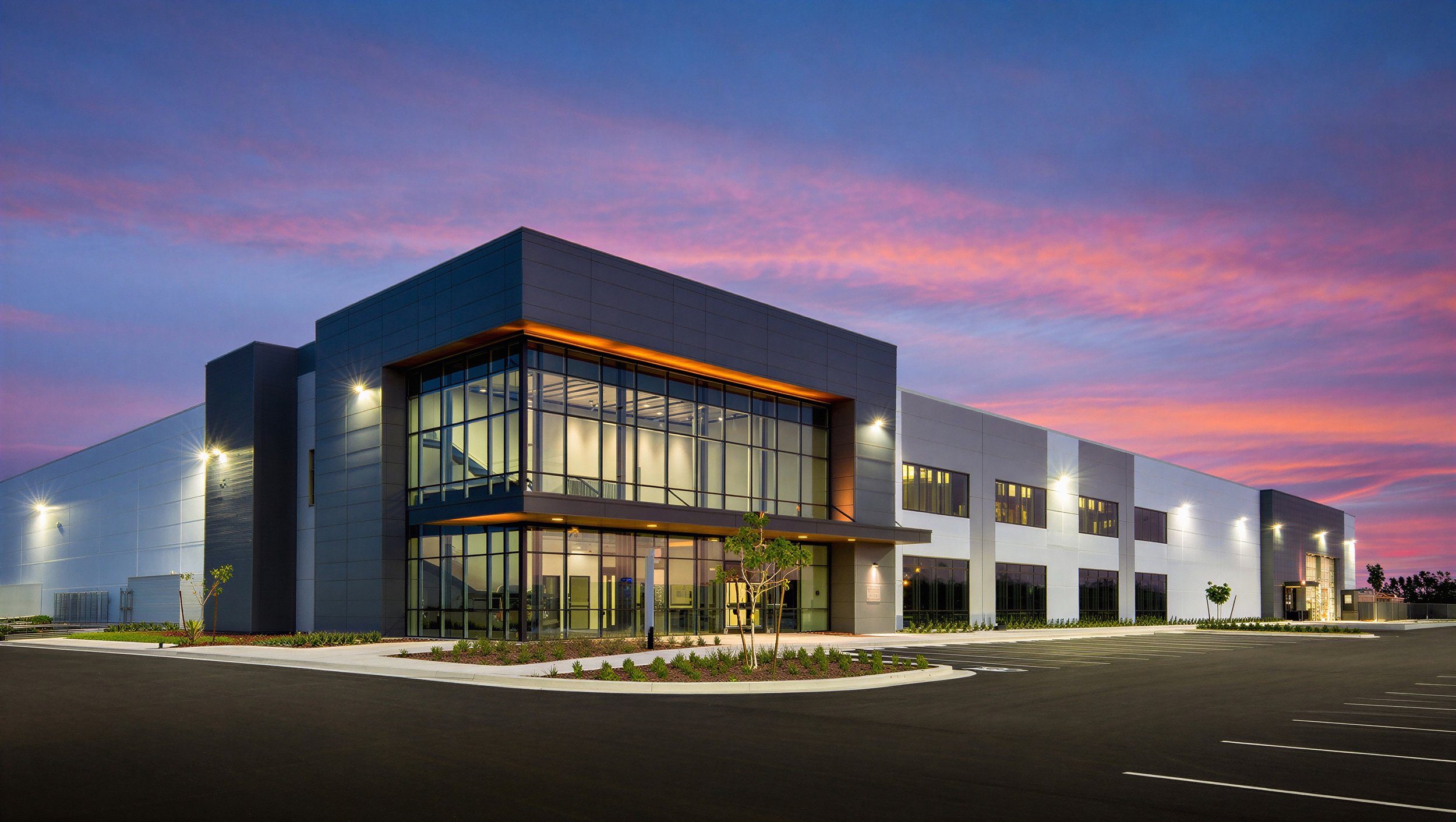
Industrial Market Update: Balancing Post-Pandemic Normalization with New Drivers
Vacancy rates have ticked up, speculative construction has slowed, and cap rates have drifted into the low to mid six percent range. But compared to office and multifamily, industrial remains the most stable asset class in commercial real estate by a wide margin.
Cold storage, e-commerce distribution, and data centers are leading the next wave. Border markets like Detroit and El Paso are outperforming. And investors who sat on the sidelines are starting to move.

Foreign Investment Trends in U.S. Commercial Real Estate (2026 Outlook)
Foreign investment in U.S. commercial real estate is holding strong as we head into 2026, with global investors continuing to view the U.S. as a safe and stable place to deploy capital. This outlook explores investor sentiment, top risks like regulation and energy availability, and where capital is flowing across multifamily, industrial, and office sectors. It also highlights key markets—including Atlanta—and how shifting demographics, pricing adjustments, and evolving strategies in debt and equity are shaping new opportunities for international investors.