
AMERICA’S
COMMERCIAL
REAL ESTATE SHOW


Your source for expert insights on commercial real estate. Tune in each week as industry leaders, economists, and market experts break down the latest trends, forecasts, and strategies to help you stay ahead.
Listen on Apple Podcasts, Spotify, YouTube or wherever you get your podcasts.



What Global Investors See in US Commercial Real Estate
Foreign investment outlook: AFIRE CEO Gunnar Branson explains why global capital is turning to energy and infrastructure, and why office now ranks #3.

The Rising Tide Is Not Lifting All Boats: Finding Opportunity in the Commercial Real Estate Recovery
CRE recovery outlook: Rich Hill of Principal Asset Management explains why NOI growth, selectivity, and below replacement cost pricing define the next cycle.

Still Early Innings: Why the Commercial Real Estate Cycle Has More Runway Than the Calendar Suggests
For most of Michael Bull's career, commercial real estate ran on a predictable ten-year clock. That clock stopped working around 2020. On America's Commercial Real Estate Show, BGO Chief Economist Ryan Severino, CFA explains why we are still early in this cycle despite being six years past the pandemic recession, and why a thinned-out construction pipeline has quietly rewritten the rules. From the rate outlook to the contrarian case for office, here is where owners, investors, and lenders actually stand heading into 2026.
The Return of Rent Growth: Why the Multifamily Recovery Is Splitting by Class and Submarket
National apartment rents grew roughly 1.5% over the past 90 days, the fastest pace since late 2022. After the largest supply wave most of us have seen, that turn matters. But the national average is now the least useful number in the sector. Carl Whitaker of RealPage explains why your class and your submarket decide the outcome from here.
CRE 2026 Insights: Evaluating REIT Performance, Sector Dynamics, and Structural Advantages
The REIT sector now manages about $4.5 trillion in U.S. assets, and roughly 170 million Americans live in households invested in these structures. So when I sat down with Edward Pierzak, PhD, Senior VP of Research at Nareit, on America's Commercial Real Estate Show, the goal was simple: figure out where listed real estate actually stands at midyear 2026, headlines aside.
The short version is that REITs have been resilient. They absorbed the 2025 tariff friction and the early-2026 geopolitical volatility without the sustained pullbacks that marked past cycles, and they kept outperforming the broader equity indices as the year went on.
Two valuation gaps are driving the current opportunity. As the tech rally lost steam, capital rotated back into stable, income-producing sectors, closing the public pricing gap. The bigger dislocation is between public REIT stocks and private appraised values, which have sat effectively flat for nearly three years at cap rate levels last seen in late 2021. Those static private marks no longer reflect the actual economics, which opens real arbitrage for sophisticated public managers.
Office is the clearest example of why the broad-brush narrative fails. Office is not dead. It is bifurcated. The newer, amenity-rich, well-located buildings, the kind REITs tend to own, are performing well, and office is the only traditional property type where active managers currently hold a deliberate overweight.
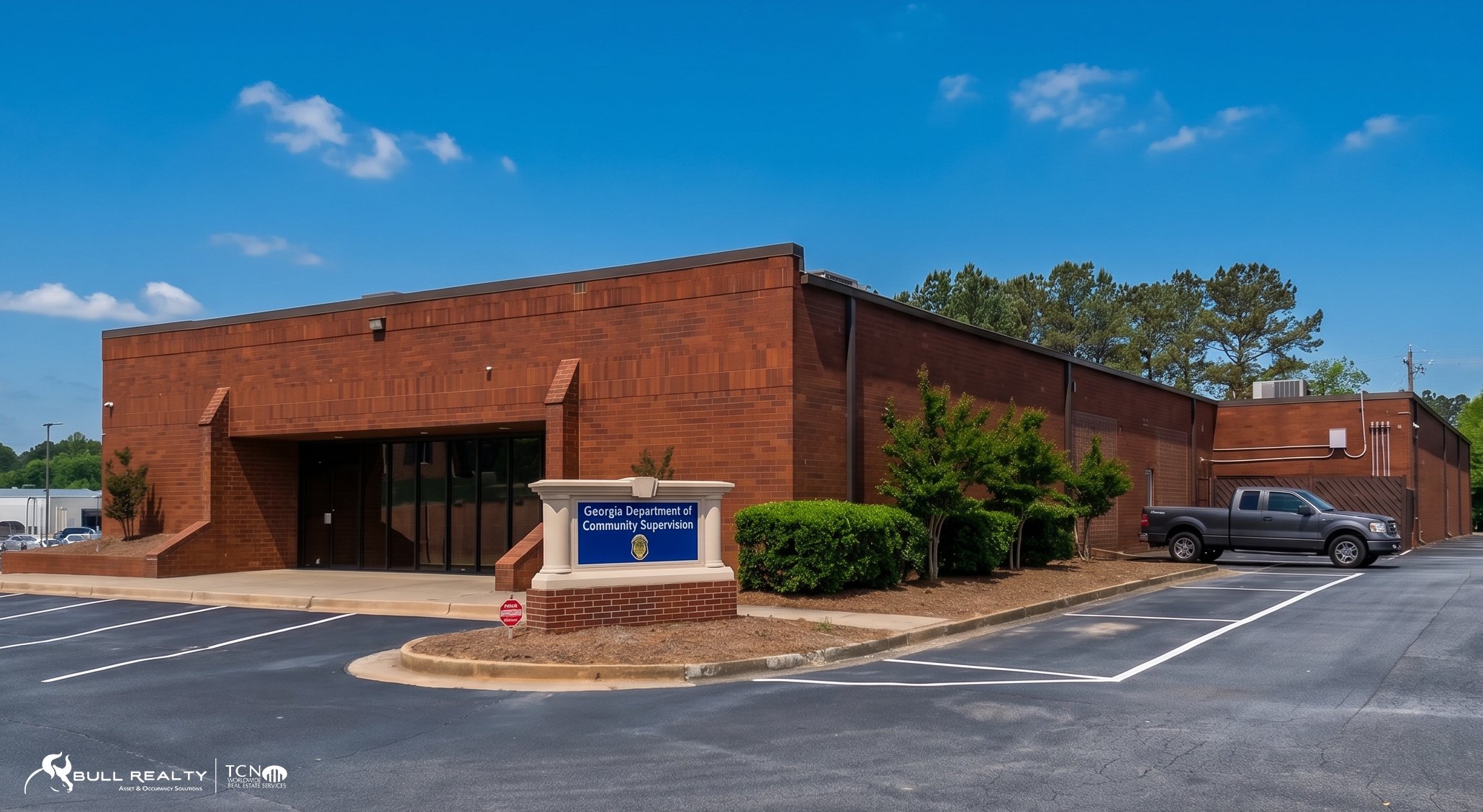
Unlocking Stability in the Office Market: The Resiliency of Government Leased Real Estate
While the office sector has faced negative headlines, government leased buildings continue to perform on their own baseline. Michael Bull, CCIM shares insights from his conversation with Easterly Government Properties CEO Darrell Crate on why these assets stay stable, what DOGE actually meant for lease cancellations, and how state leases compare to federal GSA deals.
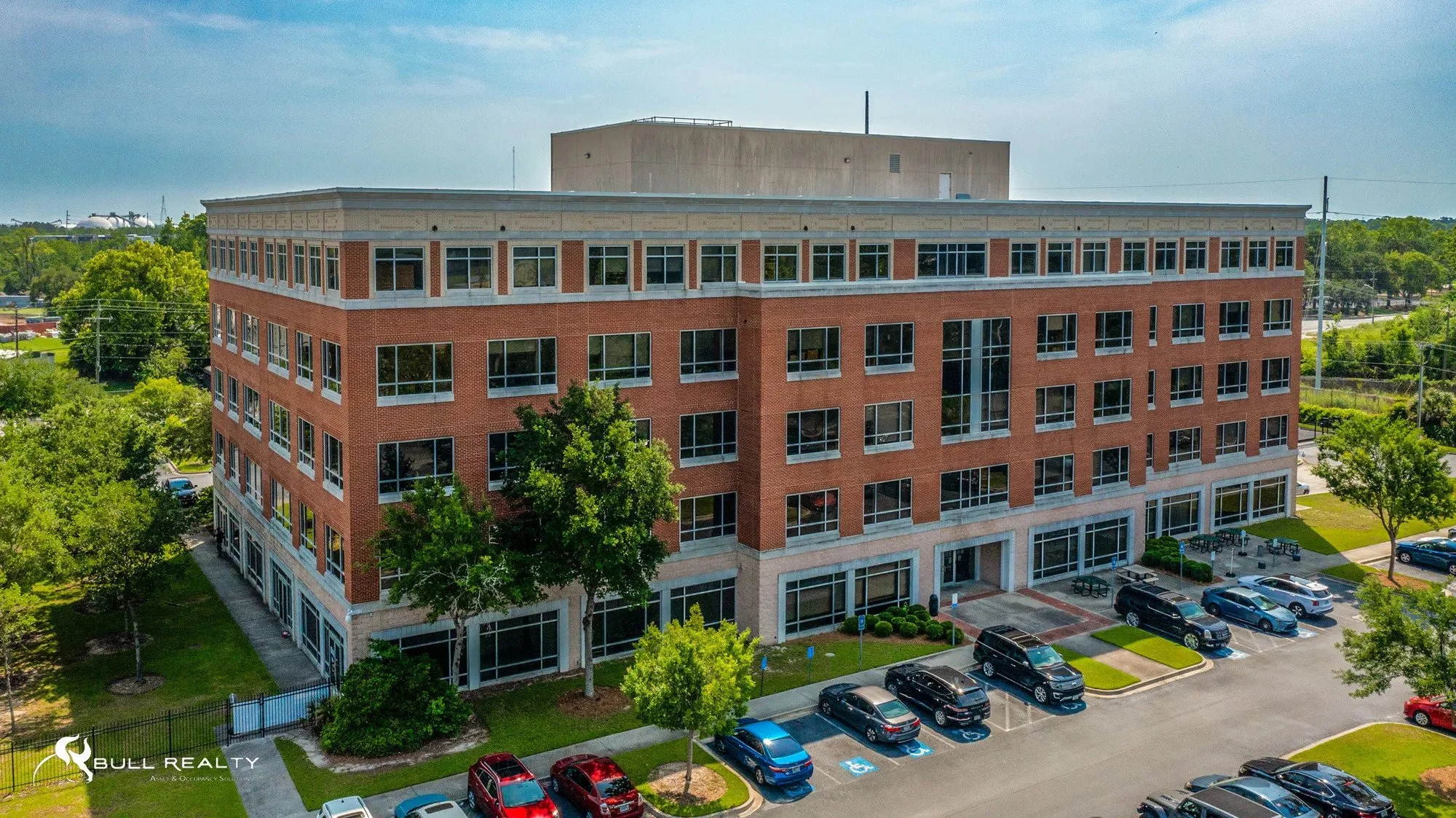
The Office Market Rebound: Building on Terra Firma
The office market has found its footing. Michael Bull, CCIM breaks down what three quarters of positive net absorption means for tenants, investors, and owners.
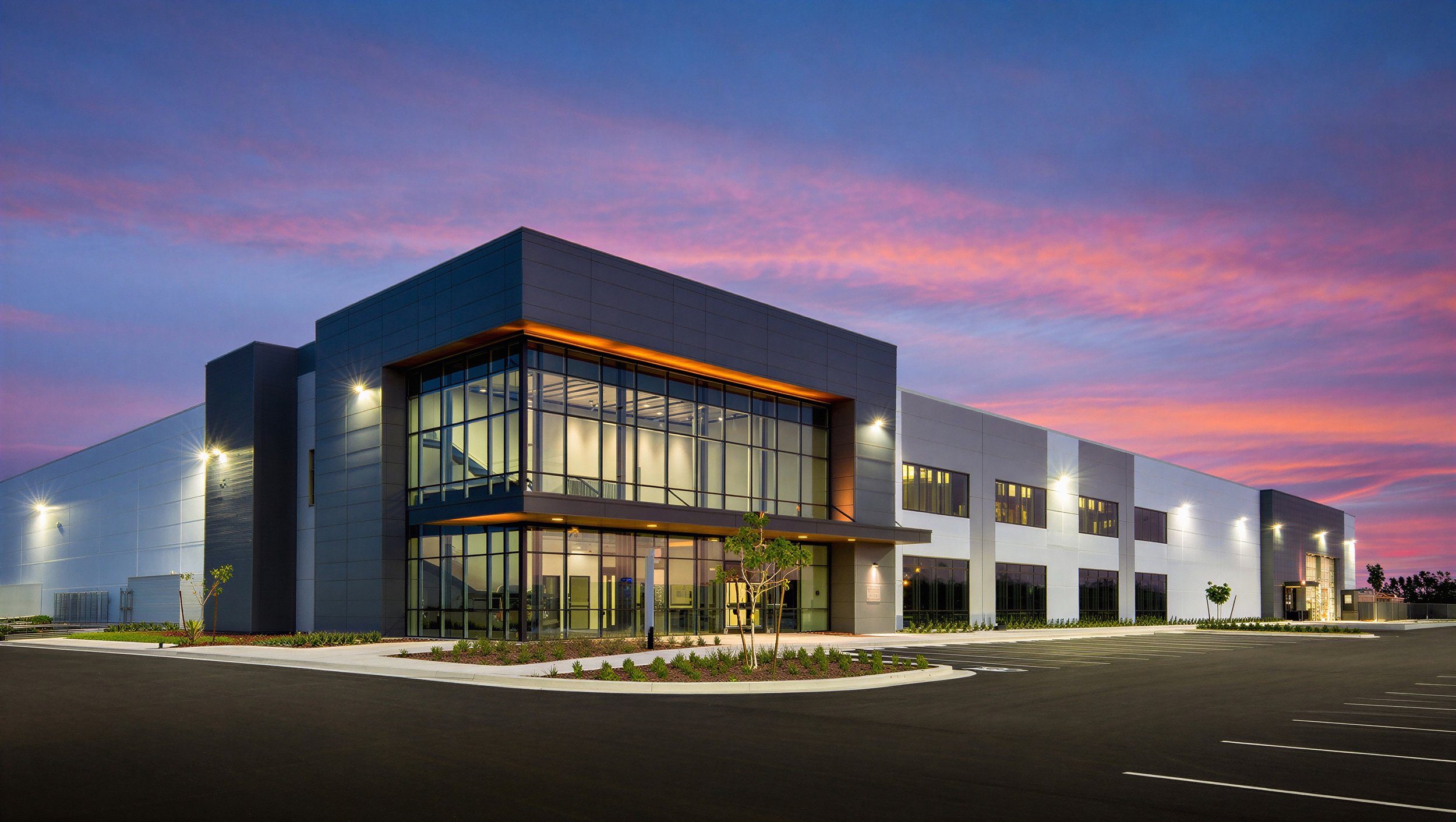
Industrial Market Update: Balancing Post-Pandemic Normalization with New Drivers
Vacancy rates have ticked up, speculative construction has slowed, and cap rates have drifted into the low to mid six percent range. But compared to office and multifamily, industrial remains the most stable asset class in commercial real estate by a wide margin.
Cold storage, e-commerce distribution, and data centers are leading the next wave. Border markets like Detroit and El Paso are outperforming. And investors who sat on the sidelines are starting to move.
Foreign Investment Trends in U.S. Commercial Real Estate (2026 Outlook)
Foreign investment in U.S. commercial real estate is holding strong as we head into 2026, with global investors continuing to view the U.S. as a safe and stable place to deploy capital. This outlook explores investor sentiment, top risks like regulation and energy availability, and where capital is flowing across multifamily, industrial, and office sectors. It also highlights key markets—including Atlanta—and how shifting demographics, pricing adjustments, and evolving strategies in debt and equity are shaping new opportunities for international investors.
Student Housing: Resilient Performance in a Cycling Market with Brent Little
Student housing continues to outperform traditional multifamily, even in a cycling market. Brent Little of Fountain Residential Partners shares insights on enrollment growth, rent performance, construction costs, capital markets, and why student housing remains a resilient investment.
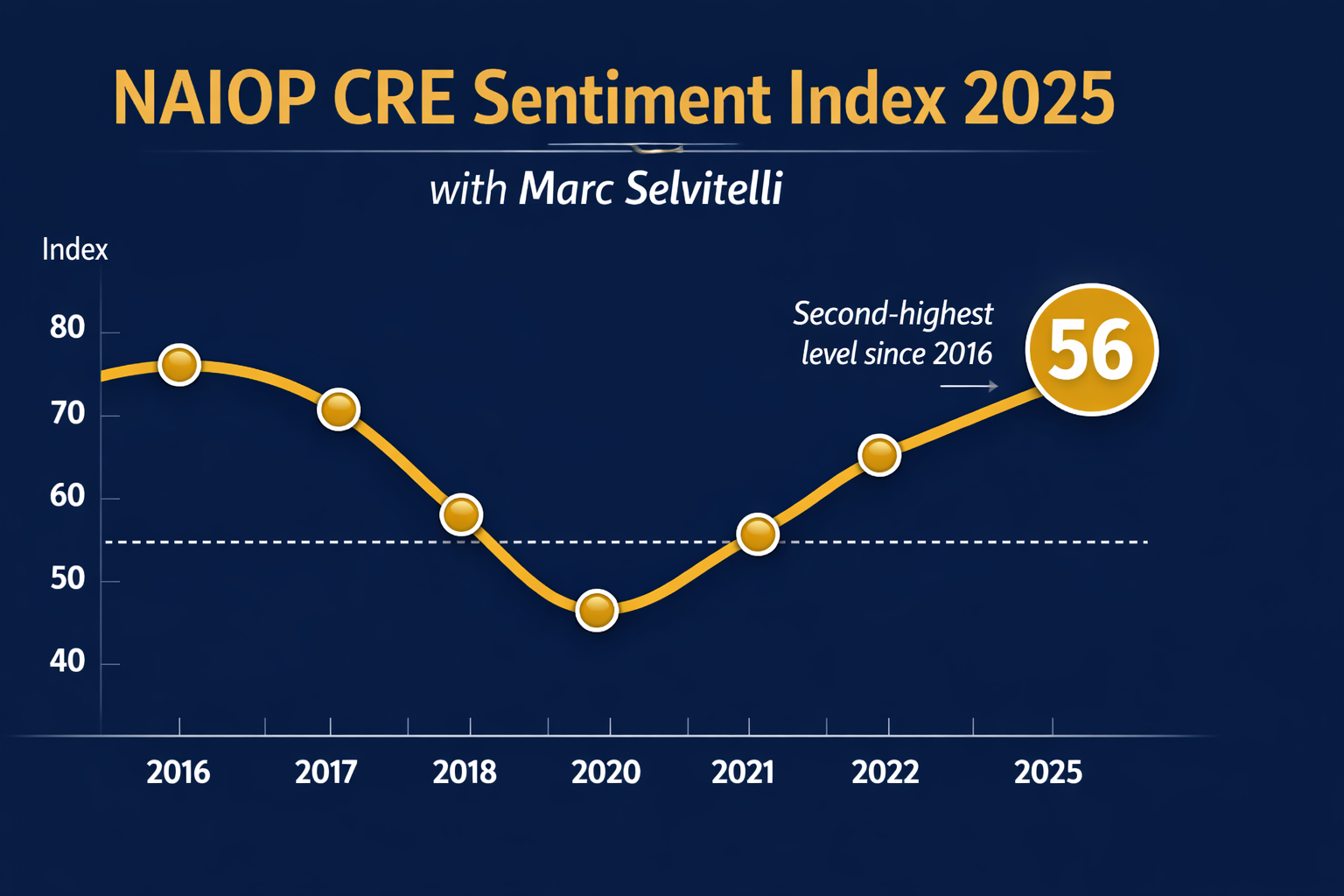
NAIOP CRE Sentiment Index 2025 Signals Renewed Optimism in Commercial Real Estate
The NAIOP CRE Sentiment Index 2025 points to a meaningful rebound in commercial real estate confidence. In this episode of America’s Commercial Real Estate Show, NAIOP President and CEO Marc Selvitelli breaks down what’s driving improved sentiment—from interest rate cuts and capital markets to development activity, office recovery, and policy certainty shaping the year ahead.

2026 Top 10 Issues Affecting Commercial Real Estate: What Investors and Developers Need to Know
Each year, America’s Commercial Real Estate Show delivers deep market intelligence that helps investors, developers, lenders, and advisors navigate an ever-changing landscape. Hosted by Commercial Broker Michael Bull, CCIM, the show recently welcomed John Hentschel, CRE, Global Chair of the Counselors of Real Estate (CRE®), to discuss the 2026 Top 10 Issues Affecting Real Estate—one of the most respected outlooks in the industry.
Has the Next CRE Cycle Begun? What to Expect in 2026 with Xander Snyder
Has the next commercial real estate cycle begun—or are we still waiting for the bottom?
After a prolonged slowdown marked by rising interest rates, reduced transaction volume, and growing distress in certain sectors, the commercial real estate market may be entering a turning point. In this episode of America’s Commercial Real Estate Show, Michael Bull speaks with Xander Snyder, Senior Commercial Real Estate Economist at First American, about where we are in the cycle today and what investors should expect heading into 2026.
2026 Commercial Real Estate Outlook: Strategies for Business Owners, Investors, Lenders, and Brokers
As we close one year and step into another, it’s the perfect time to step back, assess the market, and refine strategies for the year ahead.

New York Commercial Real Estate Outlook: Lessons From 42 Years of Selling Buildings
New York City has always been a bellwether for commercial real estate. When conditions tighten, New York often feels it first—and when recovery begins, New York frequently leads the way.
Fed Uncertainty, Stubborn Inflation, and a Shifting CRE Market: Key Takeaways from Brian Bailey’s Return to America’s Commercial Real Estate Show
The commercial real estate world is no stranger to uncertainty, but 2025 has brought a unique mix of factors shaping investor sentiment: persistent inflation, interest rate volatility, and a lending landscape that’s slowly finding its footing.

Inside CREW Network: Empowering Women and Shaping the Future of Commercial Real Estate
In today’s shifting commercial real estate (CRE) landscape, one organization continues to stand out — not just for its growth, but for the impact it’s having on professionals and communities alike. It’s called CREW Network — short for Commercial Real Estate Women.